
Việt Nam is moving from digital transformation to AI transformation, but success will depend on its ability to build a workforce ready for the new era.
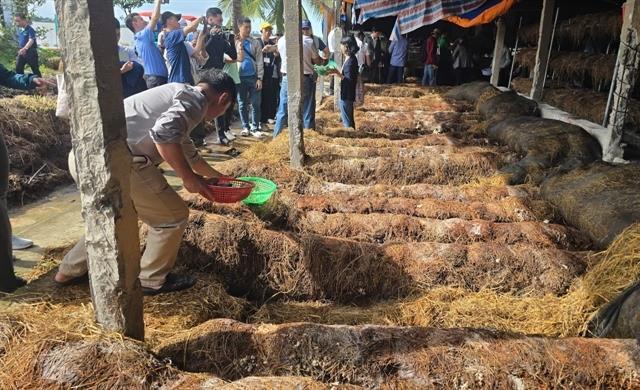
Placing soil health at the centre of agricultural policy becomes critical as land degradation is posing a growing threat to productivity and sustainable development of the agricultural sector, experts said at a workshop on May 5.
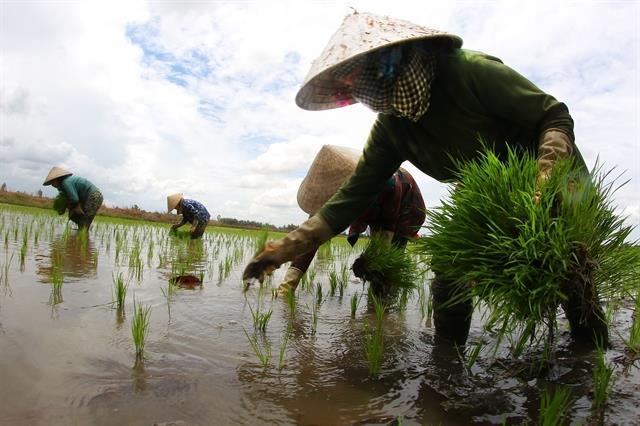
Research shows that sustainable rice straw management could cut emissions by up to 36 per cent in the Mekong Delta – equivalent to more than two million tonnes of CO₂ annually.
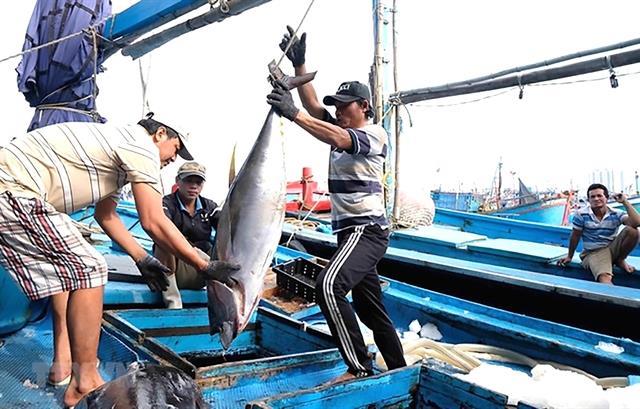
Exporters in Việt Nam are expanding into new markets with new aquatic product categories, helping the sector overcome global market volatility and achieve unprecedented growth in 2025.
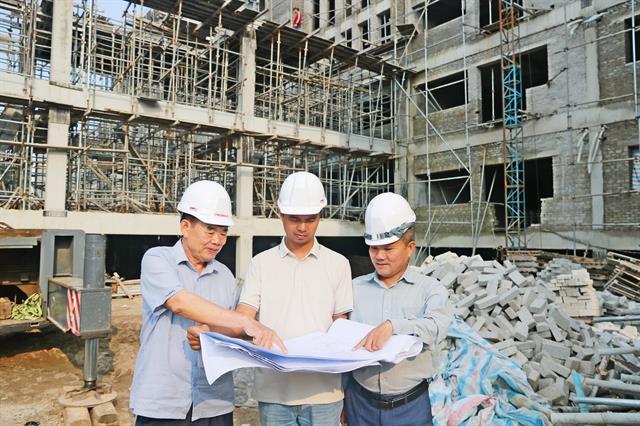
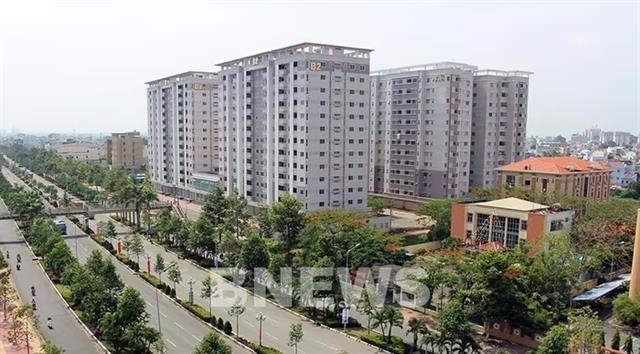
Decree No. 302/2025/NĐ-CP, released on November 19, sets up a central fund under the Ministry of Construction and requires provincial authorities to establish and manage corresponding local housing funds.
The programme has become an important credit resource, helping tens of thousands of households, workers, and low-income workers to have conditions to settle down and stabilise their lives.
Samsung Vietnam and the National Innovation Centre have concluded the 2024–25 Samsung Innovation Campus, training young Vietnamese for the country’s goal of 50,000 semiconductor engineers by 2030.
The country’s e-commerce market surpassed US$25 billion last year, growing by 22 per cent year-on-year, and now accounts for approximately nine per cent of total retail sales in goods and consumer services.
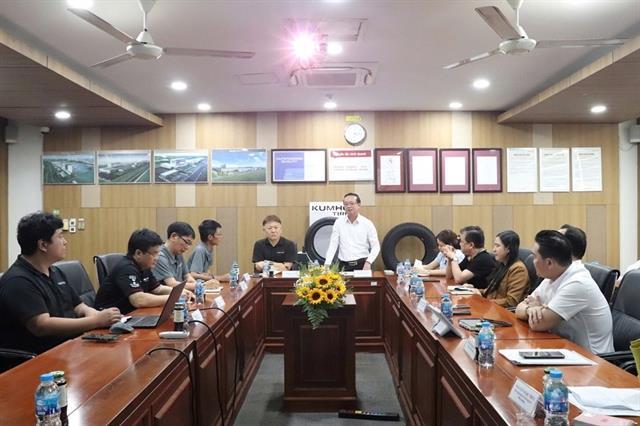
Authorities of the southern industrial hub of Bình Dương held a meeting with two major foreign direct investment (FDI) enterprises operating in the province to address challenges facing the firms in production and business operations while encouraging their further expansion.
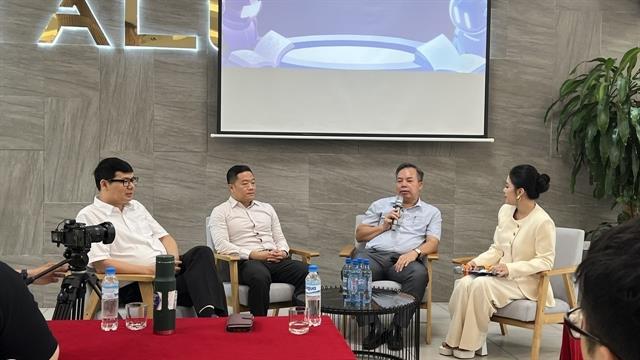
Amid the robust digital transformation in Việt Nam, information technology and creative industries have emerged as sectors with significant growth potential.
Many Vietnamese enterprises are using green transformation as a strategy to raise their competitive advantage. Vietnam News Agency discussed this issue with Dr. Nguyễn Đình Thọ, director of the Institute of Strategy and Policy on Natural Resources and Environment under the Ministry...
Việt Nam''s human resources for tourism are still insufficient both in number and quality, posing a great challenge for the industry in the context of tough competition and deeper international integration.
Extended Producer Responsibility (EPR) is a new policy approach to deal with waste, promote recycling and help the Government achieve its environmental goals. It is expected to ensure the circulation of resources between the input and waste stages in the...